
Heavy-Duty Equipment Solutions For Logging, Clearing, And Forest Maintenance
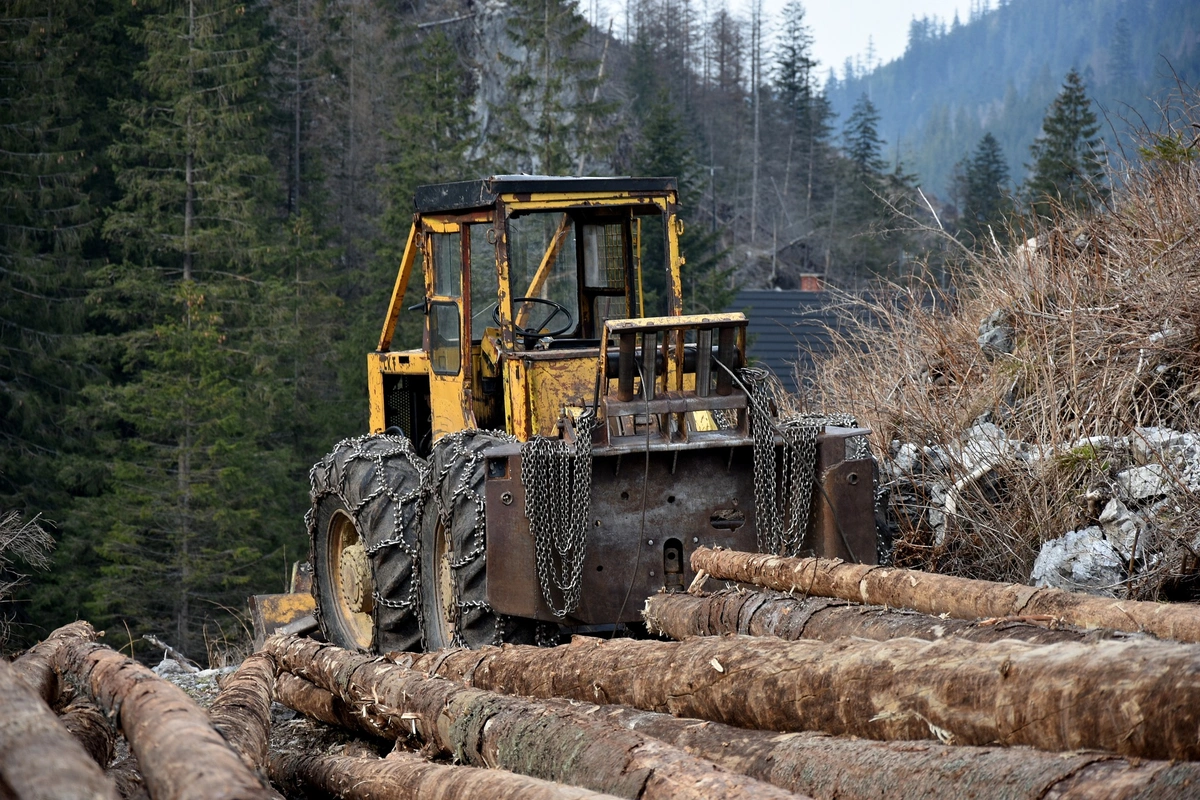
To handle harsh outside conditions, forestry operations need strong machinery, meticulous planning, and dependable equipment. Every activity, from clearing overgrown terrain to collecting wood to maintaining forest access routes, has obstacles that regular equipment could find difficult to overcome. Operators may increase production, decrease manual work, and finish tasks more precisely with the aid of heavy-duty forestry equipment. Investing in reliable gear becomes more crucial as forestry companies grow. When looking at forestry equipment for sale, businesses should take into account the equipment’s capabilities, durability, maintenance needs, and appropriateness for certain operating situations. Selecting the appropriate equipment may enhance operational effectiveness and promote ethical forest management techniques. Essential Tools For Contemporary Logging Activities Cutting, processing, loading, and transporting wood are all steps in the logging process. Specialized equipment designed to manage large objects and difficult terrain is needed for each step. Log loaders, skidders, forwarders, and harvesters are often used to expedite the wood harvesting process. While skidders move logs from harvesting regions to collecting locations, harvesters enable workers to quickly chop, delimb, and process trees. Under the right circumstances, forwarders can minimize soil disturbance by moving wood above the ground. By transferring heavy lumber onto transportation trucks, log loaders make material handling easier. Daily performance may be greatly impacted by choosing equipment based on production needs, wood size, and topography. Businesses may sustain steady production during busy harvesting schedules by using equipment that is built for continuous operation. Equipment For Clearing Land In Difficult Terrain Infrastructure development, agricultural preparation, and forestry management all depend on land clearance. Machines that can handle a variety of ground conditions without endangering operator safety are needed to remove undesired plants, brush, fallen trees, and rubbish. For a variety of clearing applications, bulldozers, excavators, forestry mulchers, and brush cutters provide useful options. Large amounts of dirt and vegetation can be moved by bulldozers, while excavators with specialist attachments can handle challenging barriers and remove stumps. When it comes to turning brush and tiny plants into organic material, forestry mulchers are very helpful. Depending on the needs of the project, this method may reduce the need to move waste from the site. Before making a purchase, businesses considering forestry equipment for sale should carefully consider machine horsepower, attachment compatibility, ground pressure, and mobility. Encouraging Efficient Forest Care Land clearance and wood harvesting are just two aspects of forest care. It includes removing invasive plants, preserving access routes, regulating vegetation, and minimizing the buildup of dangerous fuel in specific regions. Forestry personnel can carry out these tasks more regularly throughout the year with the help of dependable equipment. For regular maintenance tasks, compact track loaders, graders, mulchers, and specialty mowing attachments are useful. While graders assist in maintaining access roads utilized by logging trucks and service vehicles, track loaders provide adaptability in limited spaces. Accessibility for maintenance workers and emergency response teams may also be enhanced by routine vegetation control. Nonetheless, local environmental laws, soil conditions, and forest management goals should all be taken into consideration when choosing equipment and operating procedures. Increasing Efficiency Using Equipment Attachments When modern forestry equipment is fitted with modifications made for certain uses, it becomes more adaptable. With the help of grapples, hydraulic shears, stump grinders, mulching heads, and specialty buckets, operators may do a variety of jobs without having to buy completely different equipment. For instance, logs and rubbish may be handled by an excavator equipped with a grapple, and the removal of vegetation may be supported by a mulching attachment. Contractors can better use equipment and handle shifting project needs with this flexibility. Operators should confirm hydraulic capacity, machine weight restrictions, manufacturer recommendations, and compatibility before making an attachment purchase. Appropriately matched attachments promote effective functioning and avoid needless mechanical strain. Conclusion For logging, clearing, and forest care activities to be effective, heavy-duty equipment is crucial. Professionals in forestry can manage difficult terrain, manage heavy workloads, and maintain productive working conditions with the use of specialized equipment. Forestry companies may increase operational dependability and equipment lifetime by choosing appropriate machinery, making compatible attachment purchases, and placing a high priority on preventative maintenance. In the end, careful equipment purchases promote safer working procedures, effective project completion, and long-term, sustainable forestry operations. Aaronwww.bandhkamkamgar.net