
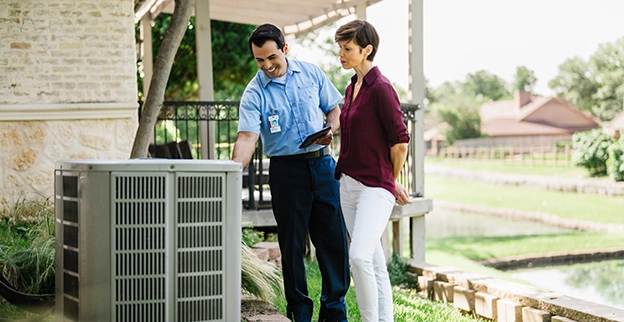
Keeping a home comfortable throughout the year requires more than simply adjusting the thermostat. In Southern Illinois, homeowners experience hot, humid summers as well as cold winter conditions, which means heating and cooling systems can face significant seasonal demands. Regular HVAC care helps maintain comfort, supports efficient operation, and can reduce the likelihood of inconvenient equipment problems.
An effective maintenance regimen does not require much complexity. Inspections, repairs, and more technical maintenance should be performed by qualified professionals, while homeowners can manage certain fundamental duties. Comprehending the distinction can facilitate the system’s protection throughout its operational lifespan.
Pay Attention To Seasonal Changes
Southern Illinois weather can place very different demands on HVAC equipment from one season to another. Air conditioning systems may operate for long periods during humid summer days, while furnaces and heat pumps become essential as temperatures fall.
Scheduling maintenance before periods of heavy use gives a technician an opportunity to identify worn components, airflow problems, electrical issues, or other concerns. Homeowners looking for HVAC services in Belleville, IL can consider arranging seasonal inspections before summer cooling or winter heating demands reach their peak.
Preventive attention can also help homeowners avoid discovering a problem on the first extremely hot or cold day of the season.
Replace Air Filters Regularly
Changing the air filter is one of the simplest HVAC maintenance tasks, yet it can have a meaningful effect on system performance. As a filter collects dust, pet hair, pollen, and other particles, airflow can become restricted.
Reduced airflow may force the system to work harder to maintain the desired indoor temperature. The manufacturer’s recommendations should be followed when replacing filters, and homeowners should conduct regular inspections. Homes with pets, frequent HVAC use, or higher amounts of airborne dust may require more frequent filter changes.
The correct filter also matters. A filter that is not properly sized or suited to the equipment can interfere with normal airflow.
Keep Outdoor Equipment Clear
Central air conditioning systems and heat pumps typically have outdoor units that need sufficient airflow around them. Grass clippings, fallen leaves, weeds, dirt, and other debris can accumulate around the equipment over time.
Homeowners can periodically inspect the area and remove loose debris while keeping nearby plants trimmed back. After storms, it is also useful to check whether branches or other materials have fallen near the unit.
More involved cleaning or repairs should be performed by an HVAC professional, particularly when electrical components or internal parts are involved.
Watch For Changes In System Performance
HVAC problems often provide warning signs before the equipment stops operating completely. Paying attention to changes can allow homeowners to seek professional assistance earlier.
Unusual noises, inconsistent temperatures, weak airflow, frequent cycling, unexplained increases in energy use, or unusual odors can all indicate that the system needs attention. A room that suddenly becomes noticeably warmer or colder than the rest of the house may also point to an airflow, ductwork, or equipment issue.
Ignoring these symptoms can sometimes allow a relatively manageable problem to develop into a more extensive repair.
Give The Thermostat Some Attention
The thermostat plays an important role in how frequently heating and cooling equipment operates. Homeowners should make sure it is functioning properly and that temperature settings reflect their daily routines.
Programmable and smart thermostats can provide greater control over temperature schedules. Instead of heating or cooling an empty house at the same level used when everyone is home, homeowners can adjust settings around work, sleep, and travel schedules.
However, dramatic and constant temperature changes are not always necessary. A consistent approach that balances comfort and efficiency is generally more practical.
Do Not Overlook Ductwork And Vents
Conditioned air must travel through the home’s ductwork before reaching individual rooms. Leaks, disconnected sections, or damaged ducts can reduce the effectiveness of heating and cooling.
Homeowners should also avoid blocking supply and return vents with furniture, curtains, rugs, or storage items. Keeping vents unobstructed supports proper air circulation throughout the house.
If certain rooms consistently have airflow or temperature problems, a professional can inspect the duct system and determine whether repairs, sealing, or other improvements are appropriate.
Schedule Professional Maintenance
Home maintenance can support HVAC performance, but it does not replace professional servicing. Technicians have the training and equipment needed to inspect components that homeowners should not attempt to repair themselves.
A professional maintenance visit may include checking electrical connections, examining system components, evaluating airflow, inspecting drainage, testing operating controls, and looking for signs of wear. The exact work required depends on the type and condition of the equipment.
Keeping records of inspections and repairs can also be useful. They provide a clearer history of the system and may help homeowners recognize recurring problems.
Know When Replacement May Be Worth Considering
Even well-maintained HVAC equipment eventually reaches the end of its practical service life. Frequent repairs, declining performance, difficulty maintaining comfortable temperatures, and increasing operating costs can indicate that it is time to discuss replacement options.
Age alone should not automatically determine whether a system needs replacement. Its condition, repair history, efficiency, and the cost of necessary work should all be considered.
Final Thoughts
HVAC care in Southern Illinois is largely about preparation and consistency. A heating and cooling system can operate more reliably by replacing filters, maintaining open ventilation, monitoring performance, keeping outdoor equipment clear, and scheduling professional servicing.
By addressing small concerns before they become major problems and preparing equipment for seasonal demands, homeowners can create a more comfortable home while making informed decisions about maintenance, repairs, and eventual system replacement.