
Traditional to Contemporary: Exploring Different Approaches to Shutter Design
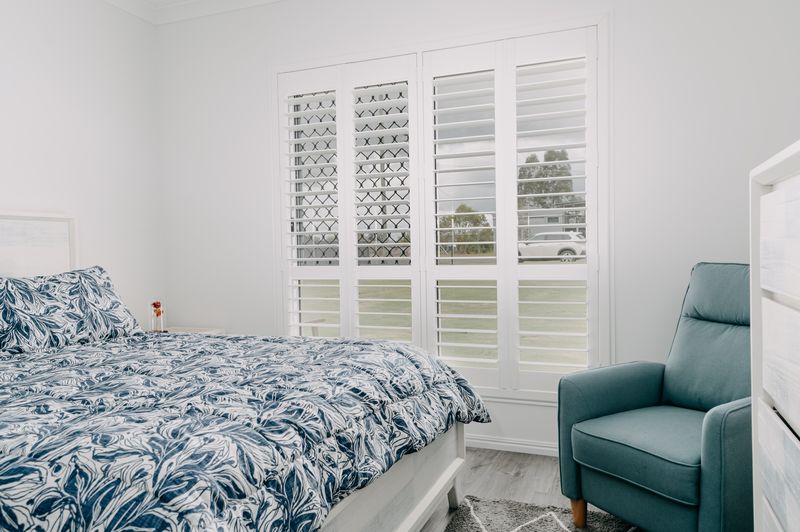
Shutters have been part of residential design for generations, yet their purpose has evolved considerably over time. Once chosen mainly for privacy, protection, and basic control over sunlight, shutters are now also an important interior design feature. They can influence how spacious a room feels, how natural light moves through it, and how traditional or contemporary the overall décor appears. From classic timber-inspired designs to streamlined modern styles, homeowners now have considerable freedom when selecting window furnishings. Understanding the different approaches to shutter design can make it easier to find an option that complements both the architecture of a property and the way individual rooms are used. Traditional Shutter Design and Timeless Character Traditional shutters are often associated with warmth, symmetry, and architectural detail. They work particularly well in homes featuring classic interiors, period influences, decorative mouldings, or natural materials. Their structured appearance can give windows a more substantial presence without relying on curtains or layers of fabric. Traditional designs often focus on balanced proportions and visible craftsmanship. Depending on the interior, they can become a defining feature rather than simply blending into the background. Colour also plays an important role. Neutral finishes can create an understated appearance, while timber-inspired tones may introduce additional warmth. The objective is generally to create a window treatment that feels connected to the existing character of the property. Transitional Designs Bridge Two Styles Not every home fits neatly into a traditional or contemporary category. Renovated properties often combine older architectural features with modern furniture, open layouts, and updated finishes. Transitional shutter design can work particularly well in these situations. This approach combines the structured character associated with classic shutters with simpler lines and restrained finishes. Rather than drawing attention through elaborate detailing, transitional designs create visual balance. When comparing Types of shutters, homeowners can consider more than whether a particular design looks traditional or modern. Louvre proportions, panel configurations, materials, finishes, and operating styles can all affect how the shutters interact with the surrounding room. Contemporary Shutters Focus on Simplicity Modern interiors frequently prioritise clean surfaces, open space, and minimal visual interruption. Shutters designed for contemporary environments tend to reflect these principles through straightforward forms and carefully considered proportions. Larger louvres, for example, can create a cleaner appearance because there are fewer horizontal lines across the window. This can suit rooms with large windows, simple furniture, and strong architectural features. Contemporary shutters can also help maintain visual consistency. Where elaborate curtains might introduce additional texture and volume, a neatly fitted shutter can provide privacy and light management while preserving a streamlined interior. Room Function Can Influence Design A shutter that works beautifully in a living room may not necessarily be the ideal choice for every other part of the house. Each room creates different practical requirements. Bedrooms usually need greater privacy and more control over outside light. Living areas may benefit from adjustable natural illumination throughout the day. Kitchens and bathrooms can introduce considerations related to moisture, ventilation, cleaning, and durability. Window size and position matter as well. Tall windows, compact openings, unusually shaped windows, and wide expanses of glass can require different panel arrangements. Considering these factors early helps prevent design decisions based entirely on appearance. Light Control Shapes the Atmosphere One of the most useful qualities of shutters is their ability to influence daylight without necessarily blocking it completely. Adjustable louvres allow occupants to respond to changing conditions throughout the day. Morning sunlight may be welcomed into a living space, while strong afternoon glare might need to be reduced. The angle of the louvres can also help maintain privacy while still allowing some daylight into the room. This flexibility means shutter design affects more than the window itself. It can influence brightness, shadows, privacy, and even the perceived mood of an interior. Shutters as Part of the Bigger Design Picture Successful window design considers the entire room rather than treating windows as isolated features. Flooring, wall colours, furniture, architectural details, and available natural light should all influence the final decision. Traditional shutters can reinforce character and warmth, while contemporary designs can support simplicity and cleaner visual lines. Transitional options provide a useful middle ground for homes that combine influences from different periods. Ultimately, choosing shutters is about finding the right relationship between appearance and everyday practicality. By considering architecture, room function, light, privacy, and interior style together, homeowners can select shutters that feel intentional rather than added as an afterthought. Aaronwww.bandhkamkamgar.net